
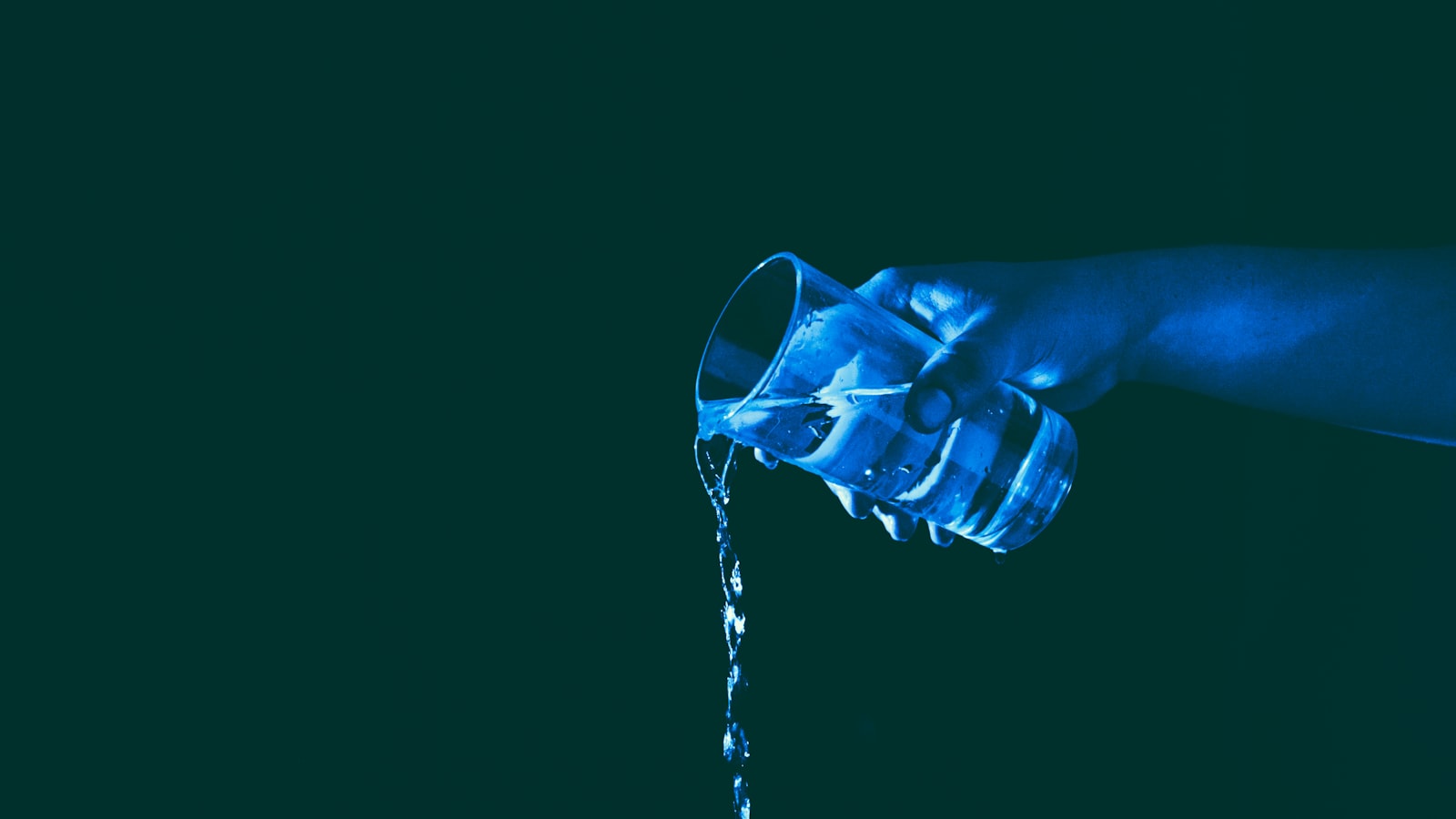
The beverage aisle has changed since the seltzer boom. After a decade of hard sparkling everything, a growing share of drinkers are reaching for still, non-bloating alternatives — drinks that deliver real flavour without the fizz that leaves you uncomfortable an hour later. Heading into the back half of 2026, still isn't the niche option anymore. It's the ask.
The Carbonation Problem
Sparkling water and hard seltzers exploded in popularity, but many drinkers noticed something the marketing never mentioned: carbonation can cause bloating, gas and general digestive discomfort. At a patio dinner, a wedding, or a long afternoon by the water, feeling distended is nobody's idea of a good time.
The mechanism is simple. The dissolved CO2 that creates those bubbles doesn't vanish when you swallow it — it comes back out of solution in your stomach, and that gas has to go somewhere. For some people it's a minor annoyance. For others, it's the difference between a second drink and calling it a night early.
Why Still Drinks Are Winning in 2026
The still category has matured quickly. What began as a handful of flat alternatives is now a genuine premium segment, built on one idea: how a drink makes you feel matters as much as how it tastes.
Nowhere is that clearer than in spirits. Aggressive carbonation is a blunt instrument — it scrubs the palate and flattens nuance. Take the bubbles away and a clean vodka has nowhere to hide, which is exactly why still builds have to be made with better ingredients. Our vodka water cocktails pair premium vodka with alkaline water for that reason: nothing to mask, nothing to apologise for. There's more on that approach over on why Aura.
How to Serve a Still Cocktail
Still drinks reward slightly different handling than seltzer, mostly because there's no fizz to protect. That frees you up.
The basics
- Chill it properly — three to four hours in the fridge beats twenty minutes in the freezer. Cold is what carries a still drink; a lukewarm can has no bubbles to distract from it.
- Pour over plenty of ice — nothing to knock flat, so fill the glass. Big cubes melt slower and keep the last third from going watery.
- Garnish generously — a cucumber ribbon, a lime wheel, a wedge of mango. Aromatics do the lifting that carbonation used to.
- Pace with water — a still cocktail goes down easily. That's a feature, but it's worth tracking.
Where they shine
- Hot afternoons when you want something refreshing but not sharp.
- Boats, beaches and campsites — cans travel well and don't foam over when they've been jostled in a cooler all day.
- With food, where carbonation tends to fill you up before the meal does.
- Anyone who quietly gave up on seltzer and defaulted to wine because the bubbles weren't worth it.
What to Look For on the Label
Not every drink calling itself smooth is actually still. A few things to check before you buy:
- A still water base — "lightly sparkling" is still sparkling.
- A short ingredient list — the fewer the additives, the less there is to react badly with.
- No sugar alcohols — sorbitol, maltitol and erythritol are common in low-cal drinks and are a frequent culprit behind bloating.
- Real spirits, clearly stated — vodka-based rather than malt- or sugar-based, which changes both the taste and the finish.
- Alkaline water — a higher-pH base that many drinkers simply find easier and smoother to drink.
Finding a Still Cocktail Near You
The good news is that stocking has caught up with demand. Aura's Cucumber Lime, Coconut Pineapple and Mango Peach are on shelves across British Columbia, Alberta and Ontario — check where to buy for the nearest location, since selection varies by store and by province.
The direction of travel is clear. As more people judge a drink by how they feel the following morning rather than by how loudly it fizzes, expect still to keep taking shelf space from sparkling.
Aura is for those of legal drinking age in their province. Please enjoy responsibly, and never drink and drive.