If you've ever stood in a Canadian liquor store looking at a $25 bottle and a $60 one and wondered whether the extra money buys better taste or just a nicer label, you're not alone. A few vodka myths make that choice harder than it needs to be. Here's what's true, what isn't, and how to judge a bottle yourself today.
Three vodka myths worth retiring
Myth 1: All vodka tastes the same
So, does vodka taste the same from brand to brand? No. The confusion makes sense. Canada's food and drug regulations describe vodka as a spirit treated so that it has no distinctive character, aroma or taste, and most vodka is made to be clean and neutral. But neutral doesn't mean identical. Wheat vodkas often taste soft and slightly sweet. Rye tends to have a peppery edge, corn can feel rounder, and potato vodkas are often creamier. The water, the filtration and anything added before bottling shift the flavour further. These differences are subtle, which is why you miss them when the vodka is buried in a sugary mixer.
Myth 2: More distillations means better vodka
"Distilled six times" sounds impressive, but the number on the label tells you very little. Modern column stills can reach very high purity in a single run. There's also no standard for what counts as one distillation, so brands count it differently. Skill matters more. That means where the distiller makes the cuts that separate the clean heart of the run from the harsher compounds, and how good the raw ingredients are. Past a certain point, more vodka distillation can also strip out the subtle character that makes a good vodka pleasant. Treat the count as marketing, not a quality score.
Myth 3: The freezer makes vodka better
Freezing doesn't improve vodka. It hides it. Very cold temperatures thicken the texture and numb your palate, which covers up harshness. That helps a rough bottle, but it also mutes the aroma and flavour you paid for in a good one. A 40% vodka won't freeze solid in a home freezer, so it's safe in there, just not at its best. A premium vodka shows best with a fridge chill or a few ice cubes. One caution: lower-alcohol, water-based drinks, including canned cocktails, can freeze and split the can, so keep those in the fridge.
What actually distinguishes one bottle from another
- Base ingredient: wheat, rye, corn, potato or grape each leave a faint mark on flavour and mouthfeel.
- Water: vodka is diluted with water to bottling strength, so roughly 60% of a typical bottle is water. Its quality and mineral content affect how smooth it is.
- Distillation and cuts: the distiller's judgment matters, not the number of passes.
- Filtration: charcoal and other methods polish the spirit, but more filtering isn't automatically better.
- Additives: some vodkas include small amounts of sugar or other ingredients to soften the texture. Read the label, and ask the brand if it isn't clear.
How to test it yourself tonight
- Buy two vodkas made from different bases, such as one wheat and one potato.
- Pour a small amount of each into identical glasses. Chill them lightly, but don't freeze them.
- Smell first, then sip. Note the sweetness, spice, texture and finish.
- Add a few drops of water to each and taste again. Water often brings out more aroma.
- Have a friend shuffle the glasses and see if you can tell them apart blind.
Keep pours small and the tasting slow. You're comparing, not drinking a lot.
Where Aura fits
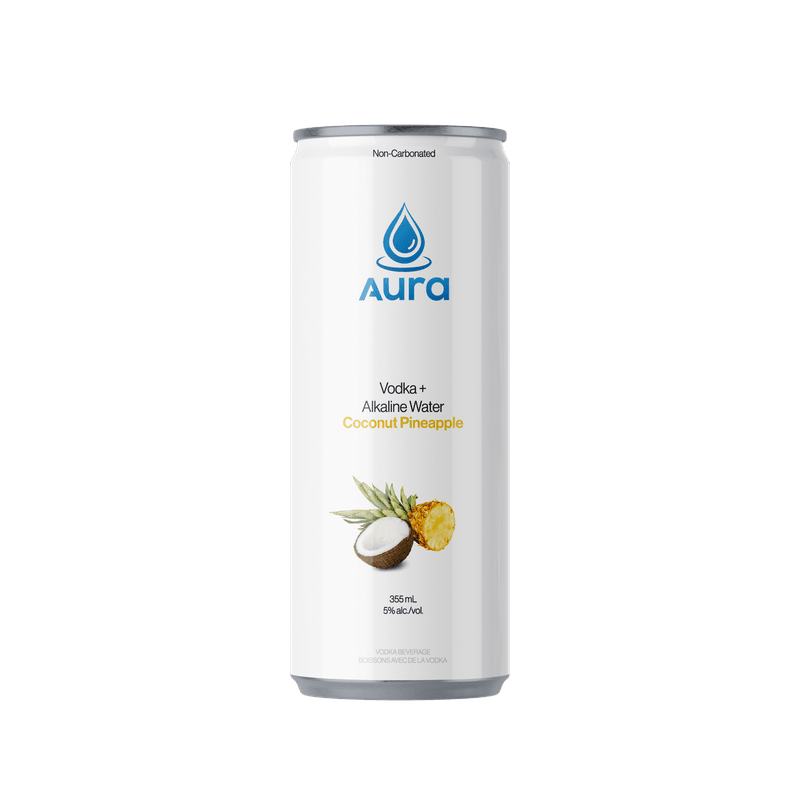
We make Aura on the same principles. Each can combines premium distilled vodka with alkaline water (pH 8.5+) and natural flavour. There's no added sugar, no artificial sweeteners and no preservatives, and it's gluten-free. Aura is also completely still: zero carbonation, unlike seltzers and vodka sodas. No bubbles means no bloating. With nothing fizzy or sugary in the way, what you taste is the quality of the vodka and the water. Read more about why Aura is made this way.
Ready to taste the difference? Explore our vodka water cocktails in Cucumber Lime, Coconut Pineapple and Mango Peach, sold in cases of 24 355mL cans. If you live in Ontario, you can order directly from us. In British Columbia and Alberta, use where to buy to find Aura at BC Liquor Stores and licensed private retailers in BC, or AGLC-licensed private retailers in Alberta.
Please enjoy responsibly, and only if you are of legal drinking age in your province.